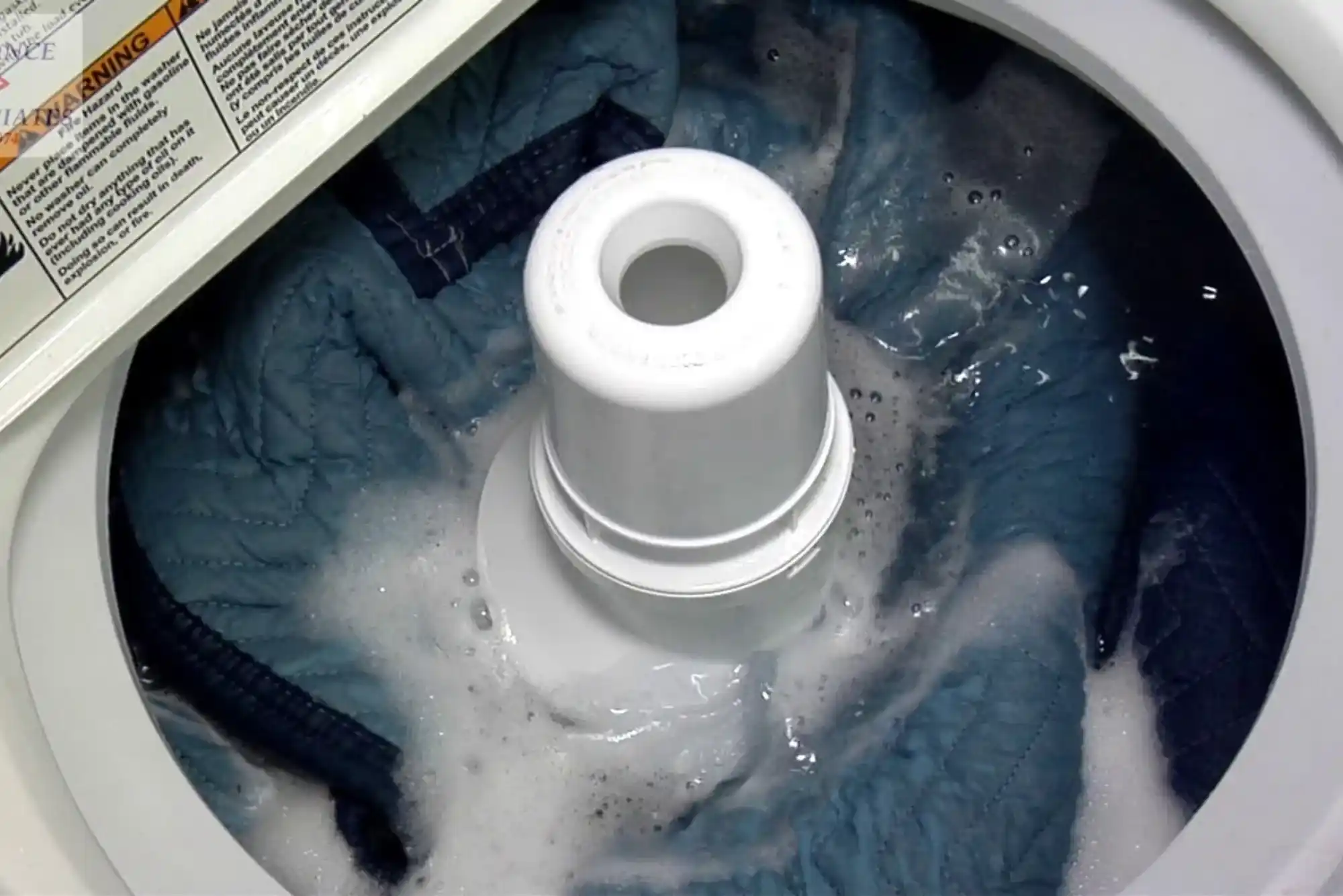
Washing machines have evolved from simple mechanical devices into intelligent appliances powered by advanced electronics and smart systems. As technology continues to progress, the methods used to identify and resolve washing machine problems have also become more sophisticated. Advanced washing machine fault detection plays a crucial role in maintaining efficiency, preventing breakdowns, and ensuring long-term reliability. By detecting faults at an early stage, homeowners and service professionals can address issues before they turn into costly repairs or complete machine failure.
Modern households depend heavily on washing machines, making fault detection more important than ever. A malfunctioning machine can disrupt daily routines, waste water and energy, and cause unnecessary stress. Advanced diagnostic techniques are designed to analyze performance, monitor internal components, and pinpoint problems with precision. This approach goes beyond traditional troubleshooting and focuses on intelligent detection and accurate diagnosis.
Understanding the Concept of Advanced Fault Detection
Advanced washing machine fault detection refers to the use of modern diagnostic methods to identify technical, electrical, and mechanical issues within a washing machine. Unlike basic fault identification, which relies on visible symptoms such as noise or water leakage, advanced detection examines internal systems in detail. Sensors, control boards, and software-based diagnostics work together to identify irregularities in performance.
These systems continuously monitor parameters such as motor speed, water temperature, load balance, drainage efficiency, and electrical signals. When a deviation from normal operation occurs, the system detects it immediately. This allows technicians to understand the root cause of the problem rather than simply addressing surface-level symptoms. As a result, repairs become more accurate and effective.
The Role of Technology in Modern Washing Machines
Technology has transformed washing machines into intelligent appliances capable of self-monitoring. Modern machines are equipped with microprocessors that collect data during every wash cycle. This data helps identify unusual behavior that may indicate a developing fault. Advanced washing machine fault detection relies heavily on this real-time monitoring to ensure optimal performance.
Smart sensors measure vibrations, water pressure, temperature changes, and electrical current flow. When any of these readings fall outside the normal range, the system generates error codes or alerts. These indicators guide technicians toward the exact area that requires attention. This level of precision reduces guesswork and ensures faster problem resolution.
Importance of Early Fault Detection
Early detection is one of the most significant advantages of advanced washing machine fault detection. Small issues such as minor motor strain or inconsistent water flow may not be noticeable during daily use. However, if left untreated, these problems can escalate into major component failures. Advanced detection systems identify these early warning signs and prevent further damage.
Timely fault detection also contributes to cost savings. Minor repairs are generally less expensive than replacing major components such as motors or control boards. Additionally, early intervention reduces downtime and extends the lifespan of the washing machine. This proactive approach benefits both homeowners and service providers by minimizing inconvenience and repair expenses.
Common Issues Identified Through Advanced Detection
Advanced washing machine fault detection is capable of identifying a wide range of problems that traditional methods often miss. Electrical faults such as wiring issues, sensor malfunctions, or control board errors can be detected with precision. Mechanical problems, including drum imbalance, bearing wear, or motor inefficiency, are also accurately identified through data analysis.
Water-related issues are another critical area of detection. Advanced systems monitor water intake, pressure, temperature, and drainage efficiency. Any irregularity in these processes is flagged instantly. This helps prevent problems such as incomplete washing cycles, water leakage, or excessive water consumption.
Impact on Performance and Efficiency
Performance and efficiency are directly linked to the condition of a washing machine’s internal components. Advanced washing machine fault detection ensures that the machine operates at peak efficiency by identifying performance-related issues early. When faults are detected and resolved promptly, the washing machine consumes less energy and water.
Efficient operation not only reduces utility bills but also supports environmental sustainability. A well-maintained machine produces fewer emissions and minimizes water wastage. Advanced fault detection contributes to greener household practices by ensuring that appliances operate responsibly and efficiently.
Benefits for Professional Repair Services
For professional technicians, advanced washing machine fault detection is a valuable tool that enhances service quality. Accurate diagnostics reduce the time required to identify problems, allowing technicians to focus on effective repairs. This improves customer satisfaction and builds trust in professional services.
Advanced diagnostics also help technicians prepare in advance by identifying the exact parts needed for repair. This reduces repeat visits and ensures faster service completion. By relying on data-driven insights, repair professionals can deliver reliable and long-lasting solutions.
Integration with Smart Home Systems
As smart home technology becomes more widespread, washing machines are increasingly integrated into connected ecosystems. Advanced washing machine fault detection plays a key role in this integration. Smart appliances can send alerts directly to users’ smartphones when a fault is detected, allowing immediate action.
Remote diagnostics enable technicians to assess problems without being physically present. This capability is particularly useful for identifying whether a repair requires professional intervention or simple adjustments. Smart integration enhances convenience and ensures that issues are addressed promptly.
Challenges in Advanced Fault Detection
Despite its benefits, advanced washing machine fault detection also presents certain challenges. The complexity of modern appliances requires specialized knowledge and tools for accurate diagnosis. Technicians must stay updated with the latest technologies and diagnostic software to effectively interpret fault data.
Another challenge lies in the cost of advanced diagnostic equipment. While these tools provide accurate results, they require investment and training. However, the long-term benefits of reduced repair time, improved accuracy, and enhanced customer satisfaction often outweigh the initial costs.
Future of Washing Machine Fault Detection
The future of advanced washing machine fault detection is closely tied to advancements in artificial intelligence and machine learning. Future systems are expected to predict faults before they occur by analyzing usage patterns and historical data. This predictive maintenance approach will further reduce breakdowns and improve appliance reliability.
As technology continues to evolve, washing machines will become even more intelligent and self-sufficient. Automated diagnostics and real-time performance optimization will become standard features. These innovations will redefine appliance maintenance and set new standards for efficiency and reliability.
Why Advanced Fault Detection Matters
Advanced washing machine fault detection is no longer a luxury but a necessity in modern households. With increasing reliance on automated appliances, the ability to detect and resolve issues efficiently is essential. This technology ensures uninterrupted operation, reduces repair costs, and enhances overall user experience.
By embracing advanced detection methods, homeowners and service providers can achieve better outcomes and long-term appliance performance. Investing in proper diagnostics is an investment in reliability, efficiency, and peace of mind.
Advanced washing machine fault detection represents a significant step forward in appliance maintenance and repair. By leveraging modern technology, intelligent sensors, and data-driven diagnostics, this approach ensures accurate problem identification and effective solutions. Early detection prevents costly repairs, improves efficiency, and extends the lifespan of washing machines.